
Furnace Repair in Denver, CO
Our furnace repair service diagnoses and fixes problems that prevent gas and electric furnaces from heating properly, including ignition failures, weak airflow, and faulty controls. We offer 24/7 emergency availability, same-day service whenever possible, and upfront pricing. If we can't arrive the same day you call, we waive the diagnostic fee.
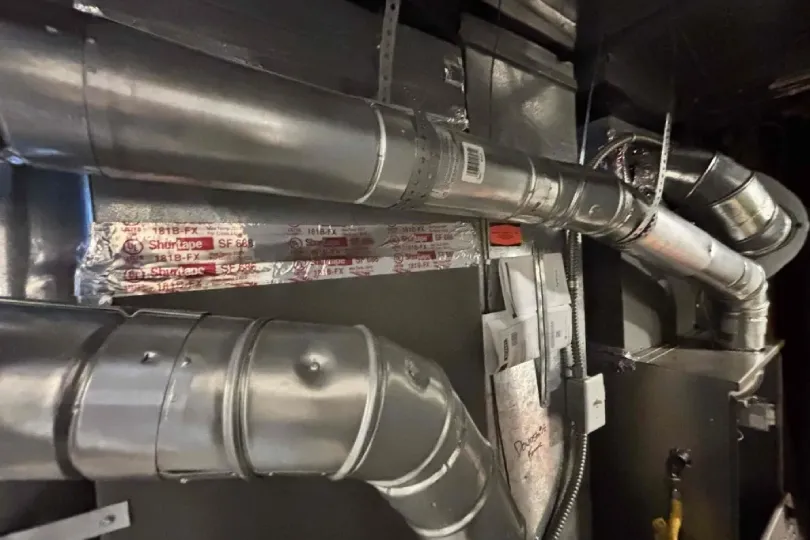
Why Choose Fix it 24/7 for Furance Repair?
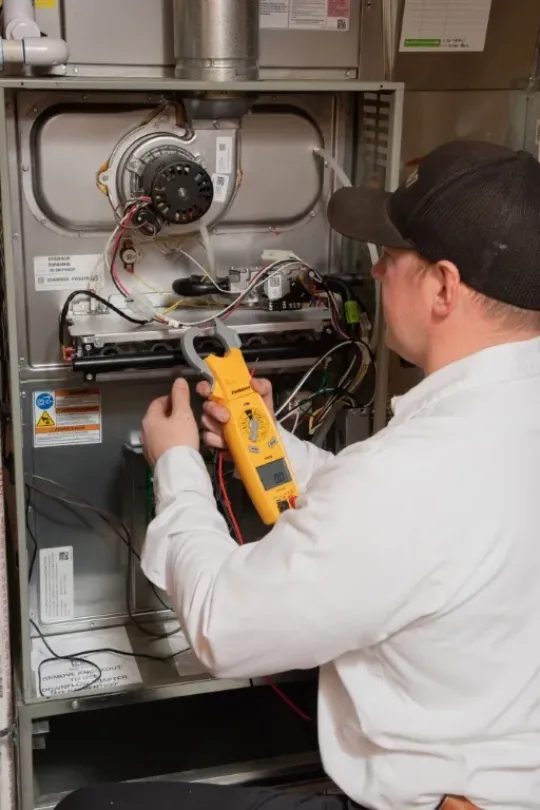
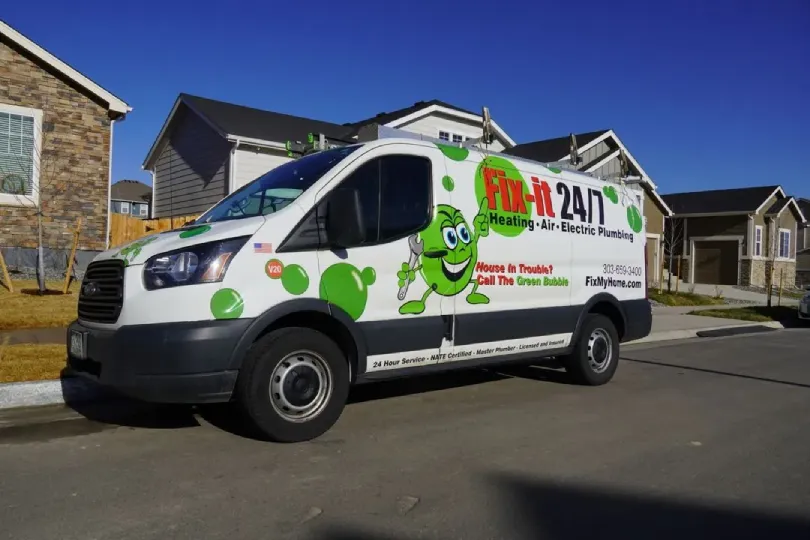
Fix-it 24/7 provides furnace repairs with trained technicians, transparent pricing, and around-the-clock emergency availability. Founded in 2013, our family-owned company focuses on diagnosing the cause of heating problems and helping homeowners make informed repair decisions.
We provide 24 hour furnace repair services every day of the year, including nights, weekends, and holidays. Our technicians are available for same-day and emergency service across the Denver metro area.
Our licensed, background-checked, and drug-tested technicians complete more than 100 hours of ongoing training annually. We provide approximately four-hour service windows, notify you when your technician is on the way, and explain the recommended work and upfront price before repairs begin.
We also respect your home. Our techs use protective shoe covers and drop cloths, clean the work area after service, and stand behind completed repairs with a satisfaction guarantee.








What Are the Signs Your Furnace Needs Repair?
A furnace may need repair when it stops producing heat, distributes warm air unevenly, or repeatedly shuts off before reaching the thermostat setting.
Common signs include:
- No heat: Your furnace won't start or respond to your thermostat.
- Cold air from vents: The blower runs, but the furnace isn't producing heat.
- Frequent shutdowns: Your furnace starts and stops before reaching the desired temperature.
- Ignition problems: A gas furnace attempts to start but won't establish or maintain a flame.
- Unusual noises: Banging, rattling, squealing, or humming sounds develop.
- Rising heating bills: Your furnace runs longer without maintaining comfortable temperatures.
Denver's cold winters place sustained demand on heating systems. Dirty filters, worn ignition components, and restricted airflow can become more noticeable when equipment runs frequently.
We diagnose the underlying cause instead of replacing parts unnecessarily. Explore our Denver heating and home service coverage for more information.
Services We Offer
What Furnace Problems Do We Fix?
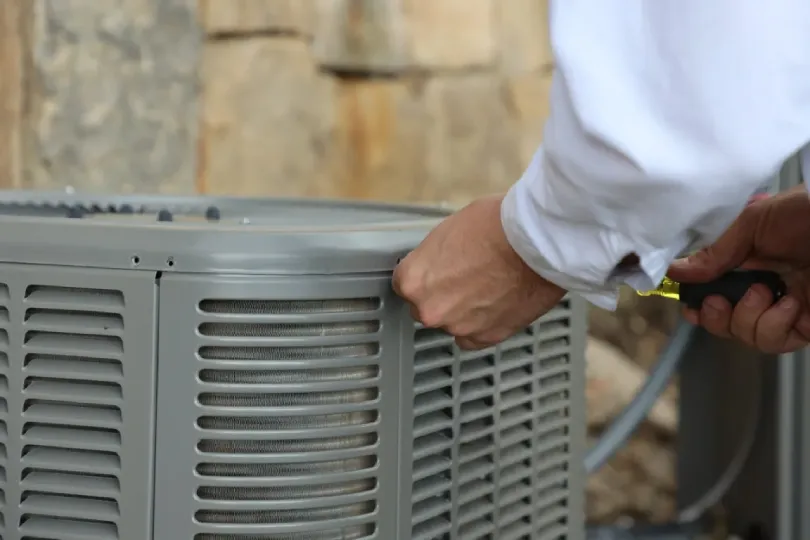
We diagnose common gas and electric furnace problems, from failed ignition components to airflow and safety-control issues.
Ignition & Flame Sensor Repairs
A faulty igniter or flame sensor can prevent a gas furnace from starting or remaining lit. We test the ignition components and identify the cause.
Blower Motor & Airflow Repairs
Weak airflow can result from motor problems, restricted filters, or dirt buildup. We identify what's preventing heated air from circulating properly.
Thermostat & Electrical Repairs
Faulty thermostats, wiring, control boards, and electrical connections can disrupt heating. We test the relevant components before recommending replacement.
Gas Valve & Burner Repairs
Gas furnace repair may involve malfunctioning gas valves, burners, or ignition controls. We evaluate the components and verify safe operation.
Safety Controls & Heat Exchangers
Furnaces use safety controls to help prevent unsafe operation. We diagnose safety-related shutdowns and evaluate suspected heat-exchanger problems.
Electric Furnace Heating Elements
Electric furnaces can lose heating capacity when heating elements, relays, or controls fail. We identify the faulty component and explain the repair options.
What Happens During Your Service Visit?
Our urnace repair process focuses on identifying the cause, explaining the recommended work, and checking that your heating system operates properly.
1. We schedule your visit. Tell us whether your furnace has stopped heating, is blowing cold air, or keeps shutting off. We offer 24/7 emergency availability and same-day appointments whenever possible.
2. We diagnose the problem. Our technician evaluates relevant heating components, ignition systems, airflow, electrical controls, and safety devices.
3. We explain the repair and price. You'll understand what failed, why we recommend a particular repair, and the upfront price before you approve the work.
4. We repair, test, and clean up. When parts are available, we complete the approved repair, verify system operation, and leave the work area clean.
How Much Does Emergency Furnace Repair Cost?
Emergency furnace repair costs depend on the failed component, repair complexity, labor required, parts availability, and any applicable emergency service charges.
A smaller ignition or thermostat repair generally involves less work than replacing a blower motor or addressing a major system failure. We diagnose the problem and explain the upfront repair price before work begins.
For homeowners facing a major repair recommendation, we also offer a Free Second Opinion.
Learn more about the relationship between equipment problems and operating expenses in our guide to furnace problems and higher heating bills.
Should You Repair or Replace Your Furnace?
Repair is often worthwhile when the problem involves a replaceable component and the rest of the system remains in good condition. Replacement may be more practical when equipment requires frequent repairs, has significant safety-related damage, or no longer heats efficiently.
Furnace replacement costs depend on equipment size, efficiency, fuel type, installation requirements, venting, and necessary system modifications.
We compare repair and replacement options based on your equipment's condition and expected future expenses. If replacement makes more sense, we'll explain our furnace installation & replacement options without pressure.
How Can Maintenance Reduce Furnace Breakdowns?
Preventative maintenance helps reduce avoidable breakdowns by addressing dirt buildup, restricted airflow, and developing component problems.
Our separate Furnace Deep Clean and Tune-Up includes removing and cleaning the blower wheel, a component responsible for moving heated air throughout your home. Cleaning accumulated buildup can help maintain proper airflow and system performance.
Our Green Club Maintenance Membership provides ongoing Deep Clean and Tune-Up care, priority scheduling, and savings on repairs.
Frequently asked questions
Have questions? We've got answers. Browse the frequently asked questions below to learn more about this service, what to expect during your appointment, and how Fix-it 24/7 can help keep your home comfortable, safe, and running efficiently year-round.
To fix a furnace that won't heat properly, we perform a comprehensive diagnostic assessment to identify the root cause. Depending on the issue, solutions may include ignition system repairs, gas valve replacement, heat exchanger cleaning, filter replacement, or thermostat calibration. Each repair approach is customized to your specific system problem.
Furnace repair time depends on the failed component, equipment accessibility, and whether the required parts are available. Some ignition, thermostat, or electrical problems can be resolved during the first visit, while major motor or control failures may require additional work.
After diagnosing the furnace, our technician explains the repair and any parts or scheduling considerations. If a needed component must be ordered, we'll discuss the next steps instead of promising a completion time before the issue is fully understood.
Whether it's worth fixing your furnace depends on factors such as the unit's age, repair costs compared to replacement, efficiency, and repair history. Generally, if your unit is under 12 years old and the repair cost is less than 30% of a new system, repair is often economical. Our technicians provide honest assessments to help you make the best financial decision.
A blinking furnace light often displays a diagnostic code used by the equipment's control board. The meaning varies by manufacturer and model, so the number or pattern of flashes matters.
Some codes indicate ignition problems, overheating, airflow restrictions, or safety-related shutdowns. You can note the flash pattern and check the homeowner section of your furnace manual without opening electrical compartments. Share the code when scheduling service so the technician has more information about the problem.
Before calling for furnace repair, confirm that the thermostat is set to heat and the requested temperature is above the current room temperature. Check that accessible supply and return vents aren't blocked and replace a dirty air filter if needed.
If the furnace has no power, you can look at the circuit breaker, but avoid repeatedly resetting a breaker that trips. Don't open gas components or bypass safety switches. If these basic checks don't restore heating, arrange professional diagnosis.
If you smell natural gas near your furnace, leave the building immediately. Do not operate switches, use electrical devices, or attempt to restart the equipment. From outside, call your gas utility's emergency line or 911.
A carbon monoxide alarm is a separate safety concern and also requires leaving the building and contacting emergency services. The U.S. Consumer Product Safety Commission's carbon monoxide safety guidance explains why prompt action matters.
Do not return to the building until emergency responders or the utility say it is safe.
Your furnace may be running without heating effectively due to ignition system problems, dirty filters, faulty gas valves, heat exchanger issues, or thermostat malfunctions. Our technicians can quickly diagnose the specific cause and recommend the appropriate repair solution.
A gas furnace may fail to ignite because of a faulty igniter, dirty flame sensor, malfunctioning gas valve, or another control problem. Modern furnaces also use safety devices that can prevent ignition when operating conditions aren't correct.
A technician can determine whether the failure involves the ignition system, gas supply, venting, or electrical controls. Avoid attempting to light a furnace manually unless the manufacturer's instructions specifically provide a homeowner procedure for that model.
Get Your Denver Furnace Fixed Today
If your furnace isn't heating, keeps shutting off, or needs professional attention, we're here to help. Our technicians diagnose the problem, explain the recommended repair, and provide upfront pricing before work begins.
We're available 24/7 for emergencies, with same-day service whenever possible.